CPA and Bookkeeping El Paso Alternative.A close with two columns.
A close with two columns means the peso side and the dollar side each match a bank, and they meet only on a line that explains the difference. It names the work.
See both columns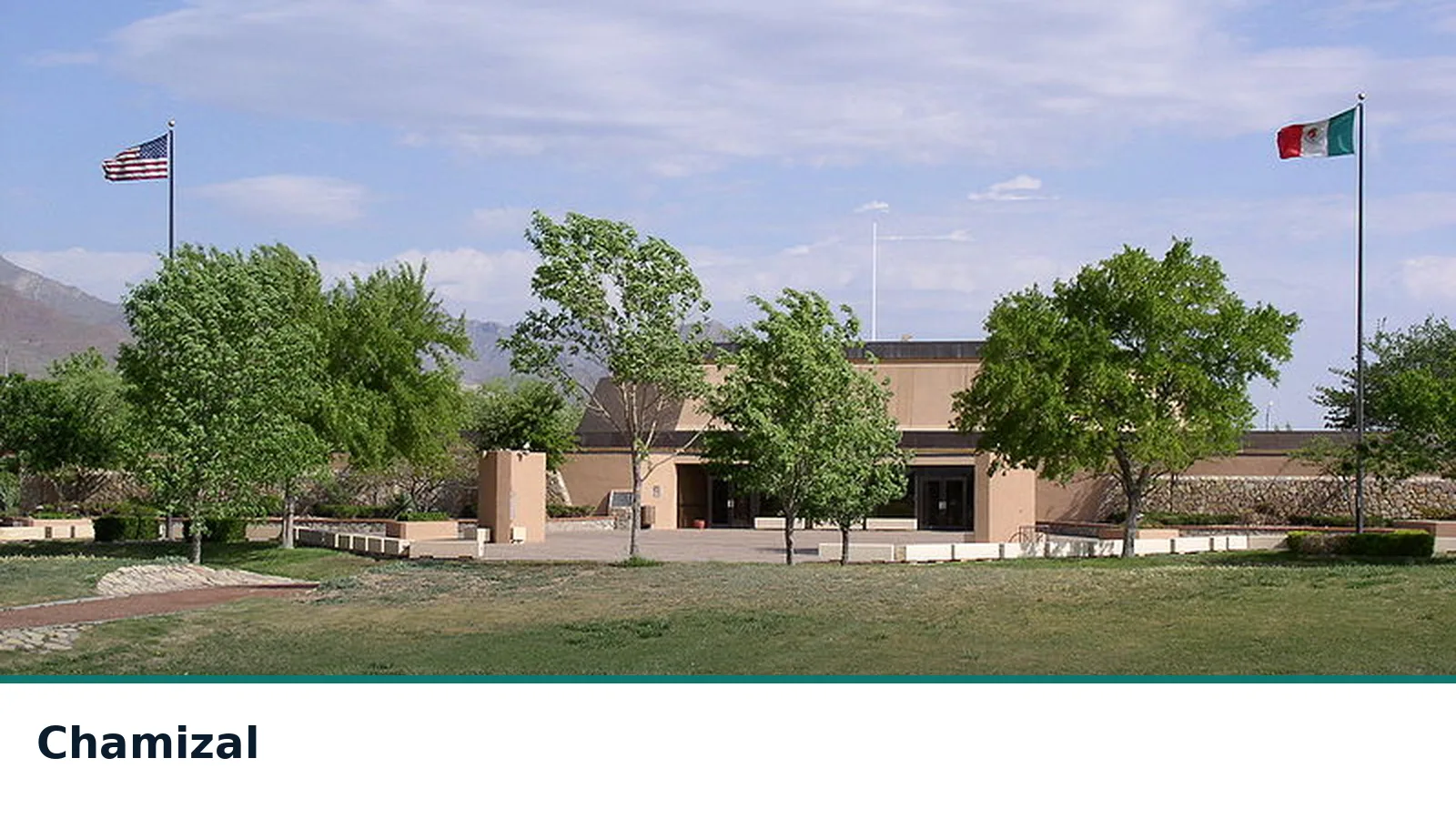
Two banks, one close
Read this part
A close is a matched month, whatever the mood and whatever the stack of reports sitting beside it. In a file with one currency, the accounts agree with one bank. In a file with two, each column agrees with its own bank, and the only doorway between them is the bridge line. If the doorway is everywhere, you do not have two columns. You have a blur that happens to use two symbols.
We tick cleared items. We list open items with dates. We do not move an open item into a cleared status because the month would look better. Better is not the assignment. True is the assignment. You should finish the close slightly more informed and slightly less anxious. If you finish it more anxious, we missed an item and we should say which one.
Once the columns match, the statements are simply that match written so a person can read it. A balance sheet that was typed beside the books, rather than from them, is a second opinion the books did not get to vote on. We do not prepare those. The report is the books, arranged so a person can read them. If the books are open, the report says the month is open. We will not print a finished date on an unfinished month.
The order of the afternoon
Read this part
We start with cash, because cash is where lies go to hide and where truth is easiest to prove. Dollar cash against the dollar statement. Peso cash against the peso statement. Then the bridge lines, as a set, to see that every one of them touches an invoice that exists. Then receivables, so open invoices have names. Then payables, so open bills have names. Then the tax you are holding. Then everything else, which should be boring if the first hours were honest.
Payroll enters as a record from the provider you run. We do not recalculate a paycheck from scratch unless the provider's report and the bank disagree. A provider report that fails to match the bank is the item we open, rather than a footnote under a tidy total. When they agree, we record the wages, the taxes withheld, and the net that left the bank. Payday stays on the provider. The books stay the place where payday becomes part of the month.
We end with a note of less than a page. What tied. What is open. What we need. The note is the close as much as the tick marks are. A file without the note is a file that only the person who clicked the ticks can operate. That person gets sick. The note is how the month survives them.
When the river moved
Read this part
Every Texan can feel the story of a river that changed course and a border that had to be written down afterward. Chamizal is that story, a long argument settled by writing the line the land had already forced. We think of an unwritten currency difference the same way. It does not stay politely where you left it. It moves through the receivables, the margin, and the tax until someone writes it down. The bridge is that writing. A close that skips it is hoping the river will go back.
We are not claiming a walk through the memorial. The history is public and the likeness is enough. Write the difference while the month is open. Do not wait for a year of drift and then call the drift a mystery.
Locking, and what locking forbids
Read this part
When both columns tie, we lock the month. Locking is a decision that later edits are visible. A date change, a reclass, a fee that was missed, all of those can happen, and all of them should show as a correction in the open month with a pointer back. What locking forbids is the silent improvement of history. Silent improvement is how two people end up with two versions of March and a return that matches neither.
You will be able to see the lock. If your software makes locking hard, we still behave as if it exists. We stop using the closed month as a scratch pad. Scratch work happens in the open month. This is a discipline more than a button. The button helps. The discipline is the close.
If we cannot lock because something will not tie, we do not announce a close and footnote the problem in a size nobody reads. The problem is the first sentence of the note. You should not have to hunt for the reason the month feels wrong. We already know the reason, or we know that we do not, and both belong at the top.
What you get at the end
Read this part
You get statements you can read without us in the room, a reconciliation that names its open items, and a note. You get a sales tax figure that can become a return, if the 20th is near. You get a year that is starting to be visible, if enough months have been locked in a row. You do not get a promise that next month will be calm. You get a method that makes calm more likely, because the same columns will be asked to do the same thing.
If the file is not ready for that method, the first deliverable is the list of what is blocking it. Missing statements. An account that was never opened. A provider who was never given the right accounts. We would rather spend the first month on the block than pretend the columns tied. Pretending is what the file has usually already tried.
Send the month that will not tie

You will be talking to the Steven Palmieri practice.