CPA and Bookkeeping El Paso Alternative.Who keeps the peso and dollar books.
The name on the work is Steven Palmieri, a Tax CFO and the Entrepreneur's CFO, and the pages are how we show the month before you ever send a note. It names the work.
Write to us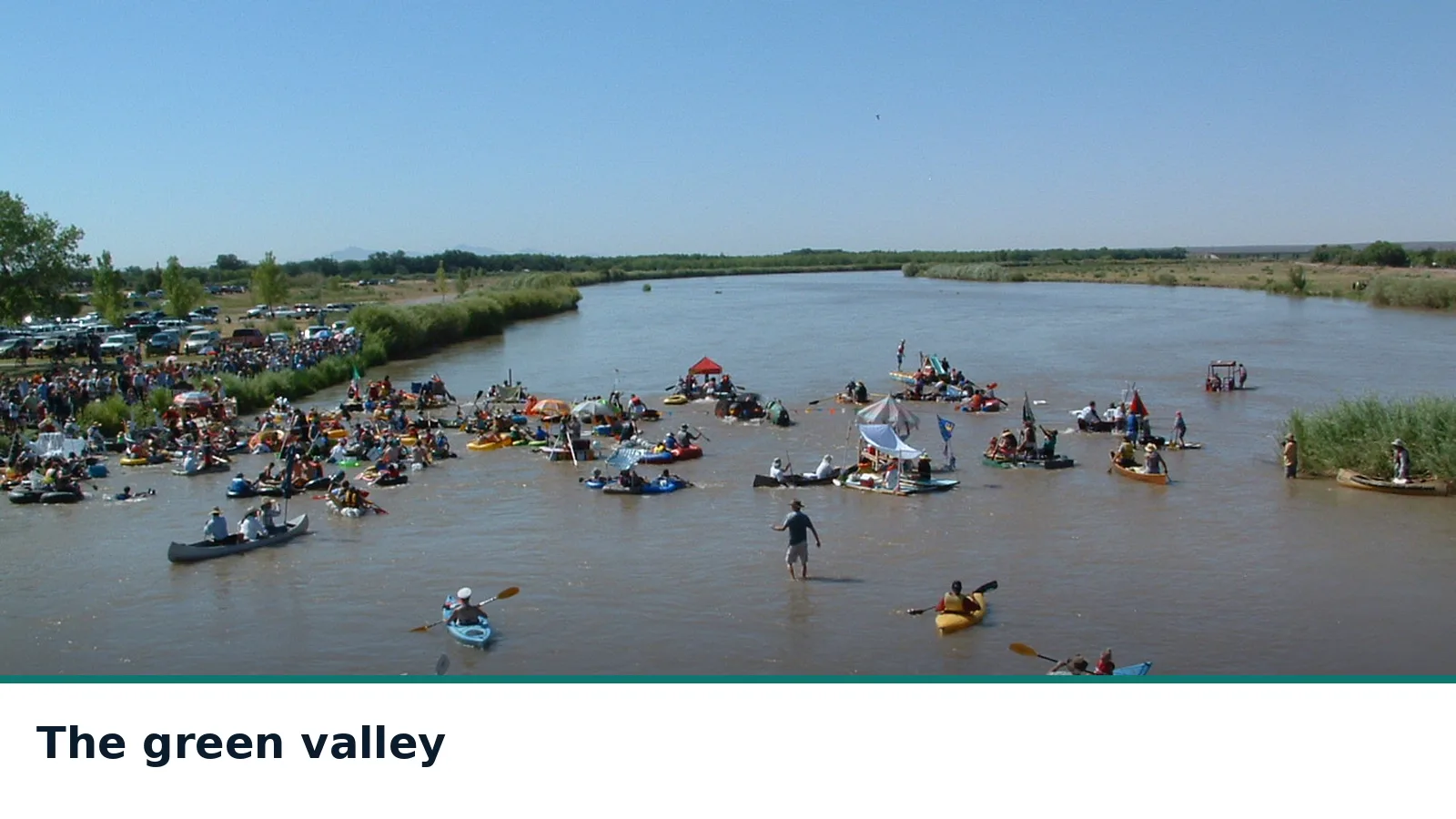
The person who answers
Read this part
Steven Palmieri publishes these pages. We at the practice keep the books, set payday up on a provider the owner already runs, reconcile the accounts, prepare the statements, and prepare the tax return from a month that already ties. Dial the footer number and the close is who answers. The form reaches them too. A calendar link reaches them as well. There is not a second room of people waiting to reinterpret what you wrote.
The brand in the corner is the name of this site. It names the work a visitor came to find, so the books and the return can be written out here in full. One practice answers across the sites. If you hire someone else after reading, the reading still did its job. These pages are not a trap. They are a way to see the shape of the month before a call.
We speak as we, because the work is the practice and not a performance by a single afternoon. The close on this site names Steven Palmieri, and the role beside that name is Tax CFO. Steven and his team are the people on the call when both currency columns are ready to lock. When a page says we, it means that practice, doing the ordinary work of a close.
What a first month looks like
Read this part
The first month is rarely a victory lap. It is usually the month where the open items finally get names. We ask for access, not for a perfect file. We look at the bank first. We list what cleared and what did not. We ask you the questions only you can answer, and we write your answers into the books so the next person does not have to ask them again.
If the file has pesos and dollars, the first month also builds the habit of the bridge line. We do it on a real deposit, not on a sample. You see the line appear. You see the fee come out of hiding. You see the invoice stay open if the cash was short. That hour teaches more than a page can, which is why the page stays honest about being a page. The work happens in the books.
We begin monthly work only after the open months have been closed, or we say that the cleanup is the job and we price it as the job. We do not quietly absorb six open months into a single monthly fee and then resent them. You should know the size of the pile before you agree. We should know it too. The form is where that honesty starts.
What we will talk about on a call
Read this part
A short call is a conversation. It does not make you a client, and it does not put a duty on either side beyond ordinary courtesy. We will say what we see from the little you have told us. Some calls end with a suggestion to wait, because the file is not ready for a monthly close. Other calls show that the open months themselves are the job. Both answers are useful. A call that only flatters the file is a waste of the hour.
Money changes hands only after a written note names the months, the currencies, and the fee for this file. Anything the written note left unnamed is priced on its own, and that extra piece waits until the price is on paper. You can stop the work with a written note, and so can we. Invoices and statements you gave us are returned when the work ends. The fee covers only the months already closed. Those are ordinary terms, and they are written on the terms page so a call does not have to carry them all.
You will not be asked to admire a method. You will be asked where the money went, who owes it, and which month it belongs to. If that sounds plain, it is supposed to. Plain is what a close is. The esteem is in the month that matches, not in a vocabulary.
The valley and the record
Read this part
Every Texan can love a valley that a river made. The Upper Valley is green because the Rio Grande is there, and the fields make sense only if you remember where the water enters and where it leaves. We think of two currencies the same way. Pesos have a source. Dollars have a place they end up. The books are the channel. If the channel is drawn wrong, the green is a surprise and then a problem.
We do not claim to farm that valley or to keep an office beside it. We claim the record. On a video call we can see the same deposit you see. The river does not have to be in the background of the call for the month to be real. The month is real when the columns tie.
How these pages were held
Read this part
The sentences here are about the work this practice does and about public facts a reader can check. Currency examples are shapes. No client figure is on the page. No street is on the page. Call the footer number and point at a wrong line, and that line comes down. A wrong line on these pages gets rewritten, and we do not spend a call protecting it.
A signature we will not give is described on the disclosures page. Read it if a bank has asked you for a letter this practice will not write. How long a form note lasts is written on the privacy page. The terms page says when work begins. This page is the who. The others are the edges. Together they are the site. None of them is a substitute for the month itself.
A year, seen from the books
Read this part
Once a few months have closed the same way, the year starts to be readable in October, when there is still time. Property bills go out then. Estimates can still move. A return prepared in a panic is usually a return prepared from open months. We push the other direction. Close the month. Study the year before it locks. File when the books already agree.
That is the Entrepreneur's CFO work in one paragraph. Not a new product. The books, the close, the statements, the decisions before the year ends, and the return. Steven Palmieri is the person named for it. We do the work with owners who sell across the river and with owners whose month is simpler than that. The river is not a requirement. Honesty about the month is.
Tell us who we are meeting

You will be talking to the Steven Palmieri practice.