
CPA and Bookkeeping El Paso Alternative.Both currencies agree before the month is finished.
An El Paso owner lands here with the books, the payday setup, and the return all still open. Here that means a peso side and a dollar side that each match their own bank, meeting on one line that explains the difference. Steven Palmieri, the Tax CFO, keeps that close with El Paso owners by video from Dallas. We are all Texans.

Which month is open

You will be talking to the Steven Palmieri practice.

Pesos and the deposit
An invoice in pesos and a deposit in dollars three days later are the same sale. The books carry both and the line between them.
Click to read the peso month ›Tap to read the peso month ›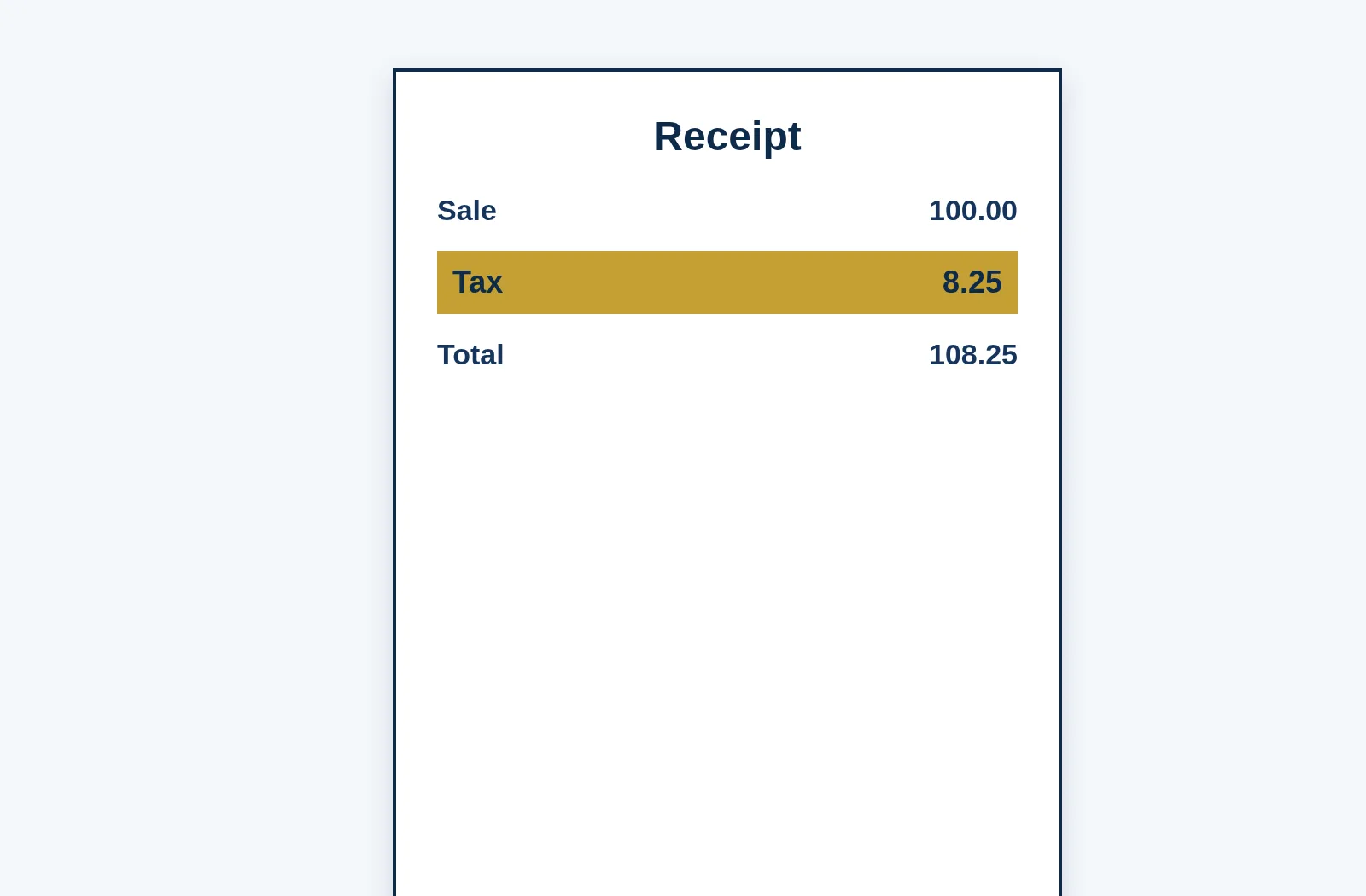
The county half
El Paso's sales tax has a county half that other Texas counties do not. It goes in the month the sale happened.
Click to see the county half ›Tap to see the county half ›
The rate, like a road
The rate that exists is the rate we use. We check the address before a number is written down.
Click to ask about the rate ›Tap to ask about the rate ›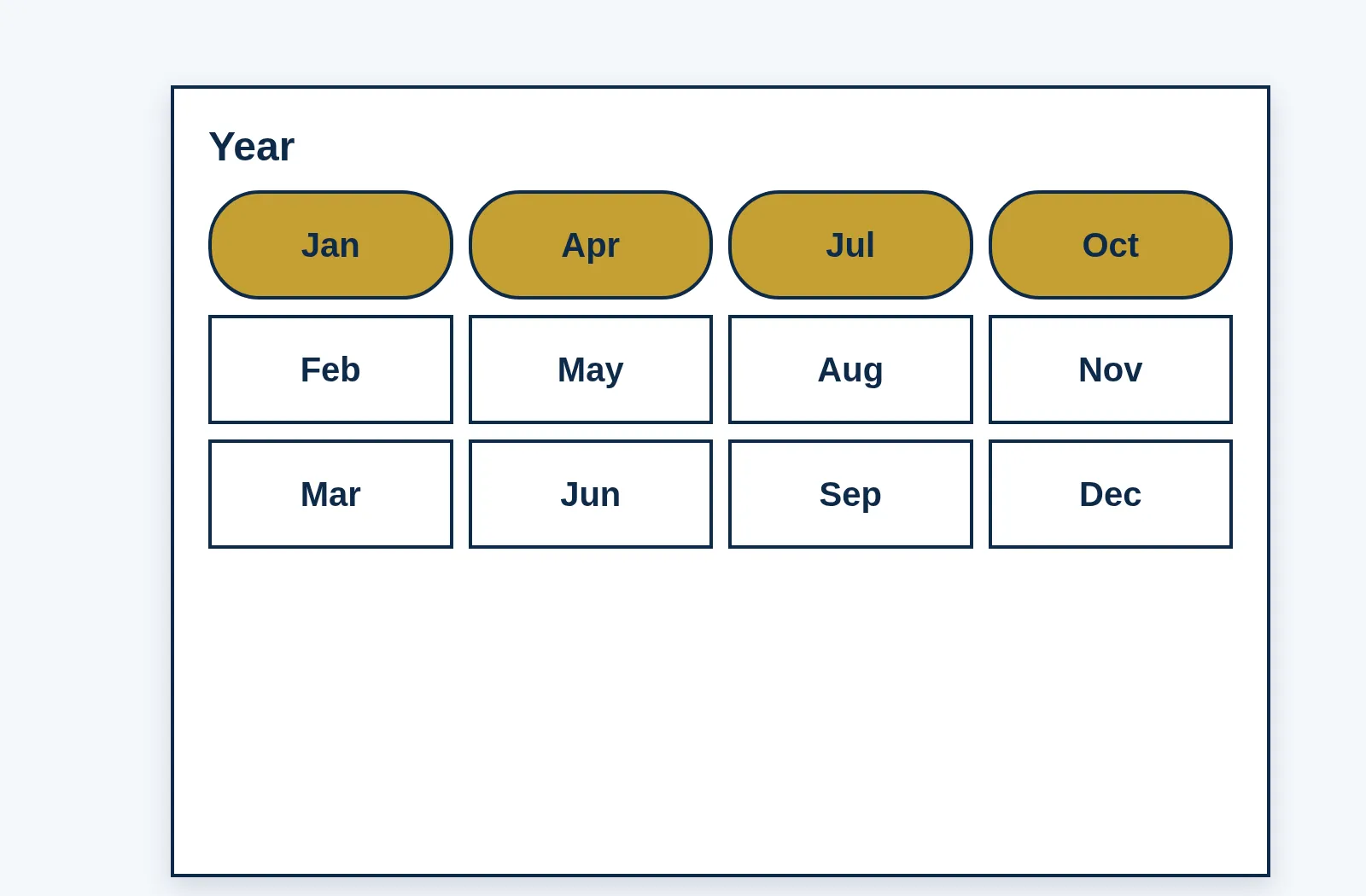
Estimates while the lights are on
Estimates are set from closed months, in summer, while the year can still move.
Click to see the range ›Tap to see the range ›
The return, after the tie
The return is built from books that already tie, not from a December scramble.
Click to read the return ›Tap to read the return ›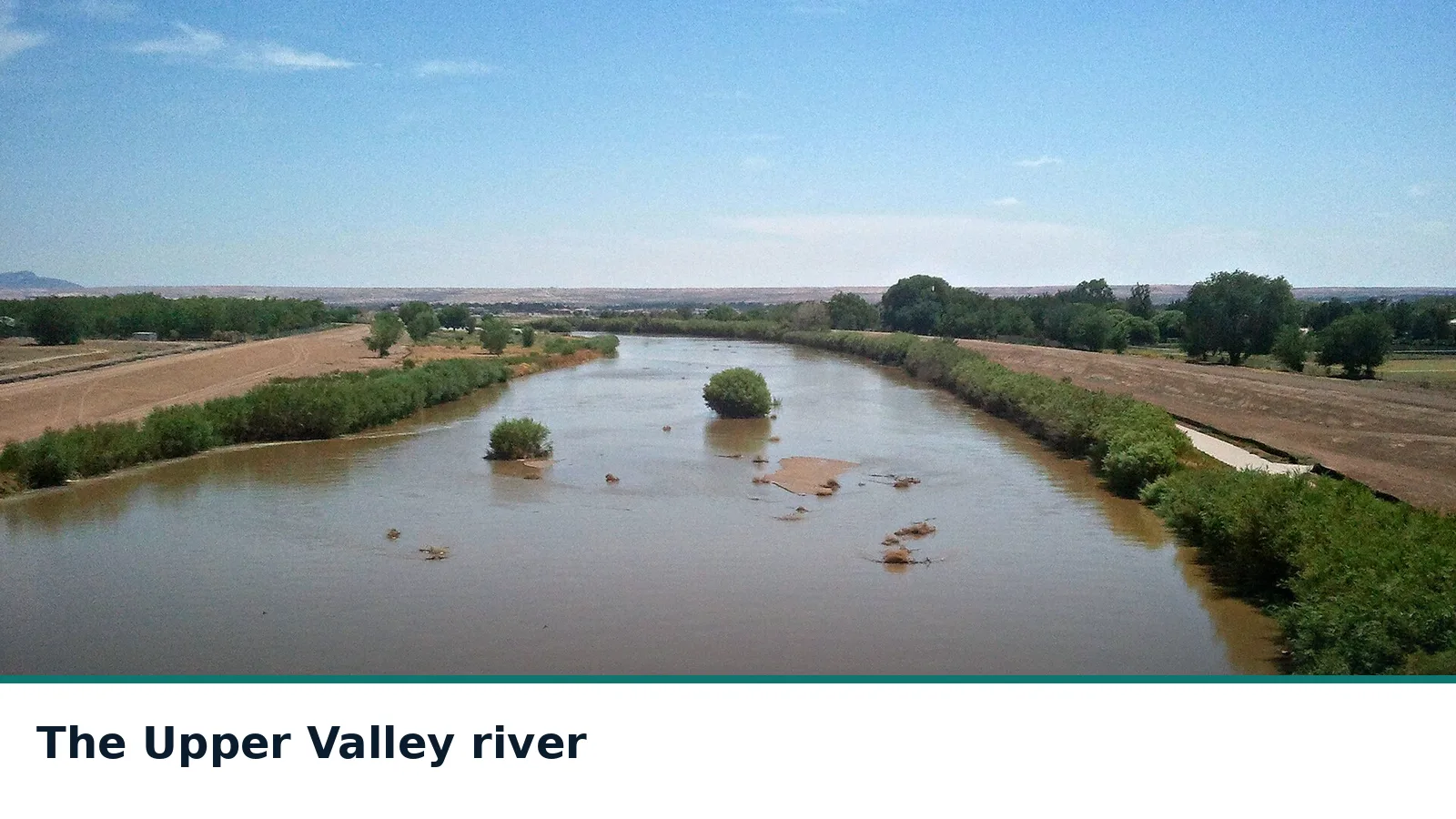
The river and the bridge line
The river is the line between two sets of rules; the bridge line in the books does the same job.
Click to read the LLC page ›Tap to read the LLC page ›
Six months on the wall
A Mountain Time wall.
1January
Property tax is due on the last day of January. The bill went out in October, and anything still unpaid the next morning is delinquent.
We match the October bill to the January payment before we call the year finished.
2April
Quarterly sales tax is due, and for many owners the return is due in the same stretch. State dates sit on Central time, so a Mountain Time wall is an hour tighter.
We file with that hour in mind, and we do not wait for the evening of the last day.
3May
The franchise report lands in May for an LLC and for a corporation.
We put that date on the calendar when the entity is opened, not when a notice finally arrives.
4July
The year is half gone, and estimates for the rest of it can still change.
We read both currency columns before anyone talks about a range for the months that are left.
5October
Property bills go out in October, while there is still time to move the year.
We read the bill in the month it arrives, and we say what it does to the cash the year still has.
6December
The year should be closed before the last week of December, while the books are still quiet.
We treat the last week of December as a deadline the calendar already gave this place, and we want the books shut before that week arrives.

Steven Palmieri signs both columns.
Note
Books stay in our care, the provider you already run still handles payday, and the return is prepared only after the month agrees. That close carries the Entrepreneur's CFO name beside the Tax CFO name.
The peso invoice and the dollar deposit stay in the month the money moved, and payday is set up against that same closed month.
Send the month
Note
If the last month you trust is the one where both currencies finally agreed, send it and we will tell you what the next close needs.
Dallas is where this practice sits. Owners in El Paso meet us by video, in the same set of books, and through a calendar link.
Send the month
You will be talking to the Steven Palmieri practice.
The month under the invoice
Read this part
A peso invoice and a dollar deposit are two events. Owners along the river already know the feeling. The invoice looks finished on Monday. The bank looks different on Thursday. Someone then has to say whether the month is one story or two. That someone is the work. We write the line that introduces the currencies, we date both events, and we leave the month open until the line explains the gap. The short payment, the bank fee, and the rate that actually cleared each get their own words on that line.
The books are the record of what happened. Payday is set up on a provider you already run, so the people who work with you are paid from a system that is not this practice. Statements and reconciliations are how we show that the record matches the bank. Filing starts only when both currency columns agree with their banks. An open month holds the return back until the columns agree. That order is the whole offer.
No sentence here locks a rate for your bank. Rates move. The useful thing is a month that can be explained in ordinary words. You should be able to point at a deposit and say which invoice it belongs to, which day it cleared, and what the bank kept. When you can do that, the close is real. When you cannot, we do not call the month finished to make a deadline feel better.
We can all read the combined rate of 8.25 percent on a city receipt, state 6.25, city 1, a county half, and a transit half. Drop either half and the return will not match the money collected.
Foreign Trade Zone 68 is where duty can wait and still be real. We still show the goods, the duty that has not been paid, and the day that duty becomes real.
How a peso month closes
Read this part
We start with the bank, not with a hope. Every dollar account is matched to the statement for that month, and every peso account is matched to its own statement. Items that cleared are ticked. Items that did not clear stay on a list with a date and a reason. A deposit that arrived in dollars against an invoice priced in pesos gets a bridge line. The bridge names the rate that actually cleared and the fee that sat beside it. It does not invent a rate because a website published one.
Old items get a decision. A check that has been open for months is either still expected, voided, or asked about. A deposit that never got a name is either identified or left in a holding spot that the next month will see. We do not sweep leftovers into a miscellaneous pile and call that a close. A miscellaneous pile is how two currencies start to lie about each other.
When both columns agree with their banks, we lock the month. Locking means the next month starts clean, and a change to the locked month is a written correction, not a quiet edit. You get a short note that says what tied, what is still open, and what we need from you. That note is the close. A pretty report with an open bank is not.
The half people forget
Read this part
Sales tax in this county is a stack, and the stack is easy to remember wrong. The state piece is 6.25 percent. The city piece is 1 percent. The county piece is half of one percent, and it is one of the county taxes in Texas that is dedicated to property tax relief. A transit piece is another half of one percent, and it applies inside the city. Together they reach 8.25 percent, which is the state maximum. Drop either half and the return will not match the money you collected.
Sales tax for a closed month goes to the state on the 20th. A monthly filer uses the 20th that follows the month just closed. A quarterly filer uses the 20th of the month after the quarter. The state clock is Central. El Paso is the major city in Texas that lives on Mountain Time, so the wall clock is an hour tighter than the rest of the state on the last day. We plan the filing for the morning, not for the last hour.
A Friday night sale is a good picture of the same problem in miniature. Tickets, food, and a deposit can fall on different dates. If the deposit lands after midnight at the end of the month, it is the next month's money even though the sale felt like this month. We date the bank, not the feeling. The night can be wonderful and still belong to the following close.
Before anyone names a range
Read this part
A range for the year is a guess until the last closed month is honest. We will not hand you a range off an open month, and we will not hand you one off a single currency when the file has two. October is the month when property bills arrive and there is still time to act. July is the month when estimates can still move. December is late for surprises. The device on this page is those months, in that spirit, with the work named in plain words.
What we need from you is ordinary. Access to the books, the last statement you trust, and the question that is actually bothering you. If the open months are many, the first job is to close them before a new month is added on top. A pile of open months that should not become a monthly engagement gets a no, said at the start. We would rather decline a file than build a return on a month that does not match a bank.
The relief people describe, when it comes, is specific. The deposit has a name. The fee has a line. The sales tax return matches what was collected. The property bill is on the calendar. Nobody is translating a peso invoice in their head on a Sunday night. That is the feeling we work toward. It is not a slogan. It is a month you can hand to someone else without a speech.
Duty that is waiting
Read this part
Foreign Trade Zone 68 can let duty wait while goods are stored, made, or assembled before they move on. Duty can wait and still be real. It has not vanished from the books. The books still have to show the goods, the duty that has not been paid, and the day that duty becomes real. If a good qualifies for a lighter treatment, that fact belongs on the record with the reason. If it does not qualify, we do not write it as if it did.
The same patience shows up in the year. A cost that is real but not yet due is still a cost. Owners get into trouble when the cash looks fine because a bill has not arrived. We would rather show the bill that is coming than congratulate a balance that is borrowing from next month. That is as true of duty as it is of a property bill that goes out in October and comes due at the end of January.
The call instead of the drive
Read this part
We work with owners in El Paso by video. The books are shared. A calendar link picks the time. The close lands on the same day of the month whether the river is outside your window or a long way from ours. You do not drive to a bridge for the numbers to be read. You open the books, we open the same books, and we talk about the line that does not tie.
That conversation begins on the form. Tell us the month you last trusted and the thing that has felt wrong since. We will answer as the practice, not as a room of callers. A file that belongs somewhere else gets that answer on the first call.