CPA and Bookkeeping El Paso Alternative.Questions before anyone claims an outcome.
A claim that the currency came out fine is a claim we do not accept until a short list of questions has been answered in the books. It names the work.
Ask the rate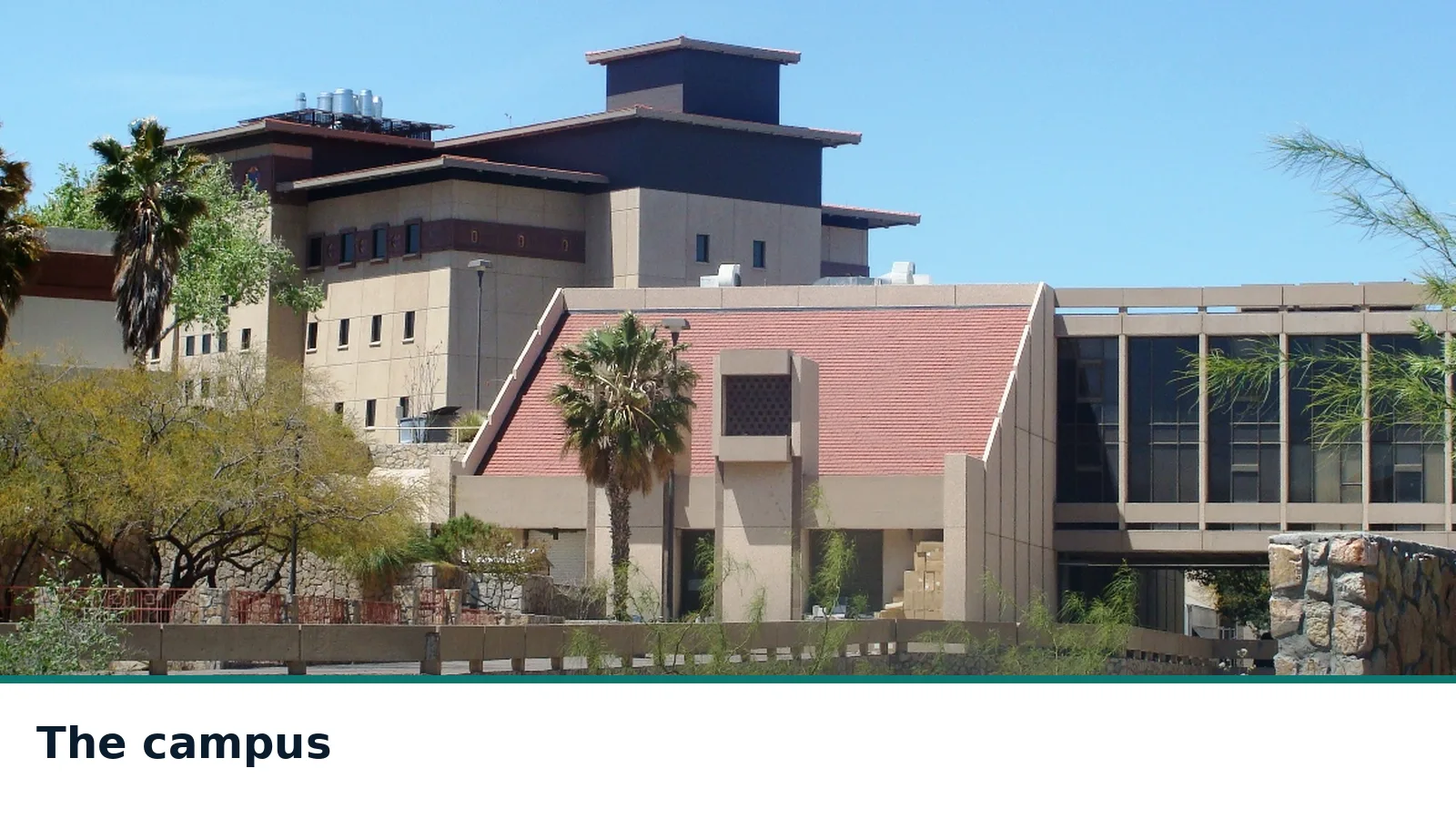
The questions before a claim
Read this part
The dangerous sentence in a two currency file is a short one. Someone says the rate worked out. The room relaxes. The month gets closed on the strength of that relief. We have learned to be rude about that sentence, in a polite way. We ask which rate, whose rate, which day, which column, and what the bank actually kept. If those answers are not in the books, the outcome has not been claimed by anyone who had the right to claim it.
Which rate means the number that cleared, not the number a friend remembered and not the number on a news page at breakfast. Whose rate means the bank's, or the customer's, or a contract's, and those three are allowed to differ only if the books show the difference on purpose. Which day means the day the cash moved. Which column means the peso side stays in pesos until that day. What the bank kept means the fee has its own line.
None of these questions is clever. They are the questions an owner asks alone at night and then forgets to write down. We write them down. A month that can answer them can be closed. A month that answers them with a shrug stays open, and the shrug goes in the note so it is not mistaken for confidence later.
What we refuse to average
Read this part
Averaging a week of rates feels like wisdom. It is a way to avoid picking the day. The customer did not pay you the average. The bank did not convert at the average. A return that uses the average is a return about a transaction that did not occur. We would rather show a sharp day and a fee than a smooth number that never hit an account.
There is a cousin of the average that is just as slippery. Someone takes the invoice in pesos, divides by a rate they like, and calls the result the dollar income. The deposit then has to be forced to match, usually by parking the difference somewhere quiet. Quiet differences grow. By the third quarter the quiet account is the largest unsolved thing in the file, and it has no name that a banker would accept.
We name it on the first month or we do not close. The name can be a fee, a short pay, a timing gap, or a mistake. All four are allowed. Nameless is not allowed. If you do not know the name yet, the month stays open and the question stays on the list. Open is a status. It is not a failure. Calling it closed when it is open is the failure.
A contract rate and a bank rate
Read this part
Sometimes a contract really does name a rate. That rate belongs on the invoice. The bank may still clear at another rate, because the bank is not a party to your contract with the customer. Both facts can be true. The books then need both facts. The contract rate explains what you billed. The bank rate explains what you received. The gap is not an error until somebody hides it.
We show the gap. If the contract says you may bill the customer for the bank's difference, that billing is a second invoice, not a silent edit of the first. If the contract says you eat the difference, the fee is your cost and it belongs in the month the cash moved. Either path is clean. The muddy path is a deposit edited until it matches a memory of the contract.
Bring the contract sentence if you have it. A photo of the clause is enough. We are not interested in the whole agreement on the first call. We are interested in the sentence that says who carries the rate. If that sentence does not exist, then the bank's clearing is the whole story, and we will say that plainly.
A campus and a clearing
Read this part
Every Texan knows a campus that keeps its own clock while the town around it runs on another. The one here sits against the mountain and still has to turn assignments in on the date the syllabus named. A rate has that kind of deadline. The syllabus is the bank clearing. The feeling that you understood the material is not the date. We file the clearing.
We do not claim a class there, and a video call is not a visit. The likeness is the date. A month has an edge. The edge is the statement. Inside the edge, the story has to fit. Outside it, the story is a plan for a later close.
How the answers get stored
Read this part
Each answer becomes a line, not a memory. The rate, the day, the fee, and the column are in the books where the next close will see them. We also keep a short note in ordinary words, because a line without a sentence gets misread in six months. The note says what we decided and what we refused to decide. Refusals matter. A refusal to average is a decision, and it should survive the person who made it.
If a later month contradicts the note, we do not quietly change history. We write a correction in the open month and we point at the old note. Corrections are how trust survives a mistake. Silent edits are how trust dies while the report still looks balanced.
When the questions have answers, and only then, someone may say the currency came out fine. The sentence will be boring. Boring is the point. You will know which deposit it refers to. You will know the fee. You will be able to say it to a lender without adding a paragraph of apology. That is an outcome. The earlier version was a mood.
Send the claim you heard

You will be talking to the Steven Palmieri practice.