CPA and Bookkeeping El Paso Alternative.Three days from pesos to dollars.
Three days between a peso invoice and a dollar deposit is long enough for the rate to move and for the books to pretend nothing did. It names the work.
Walk the days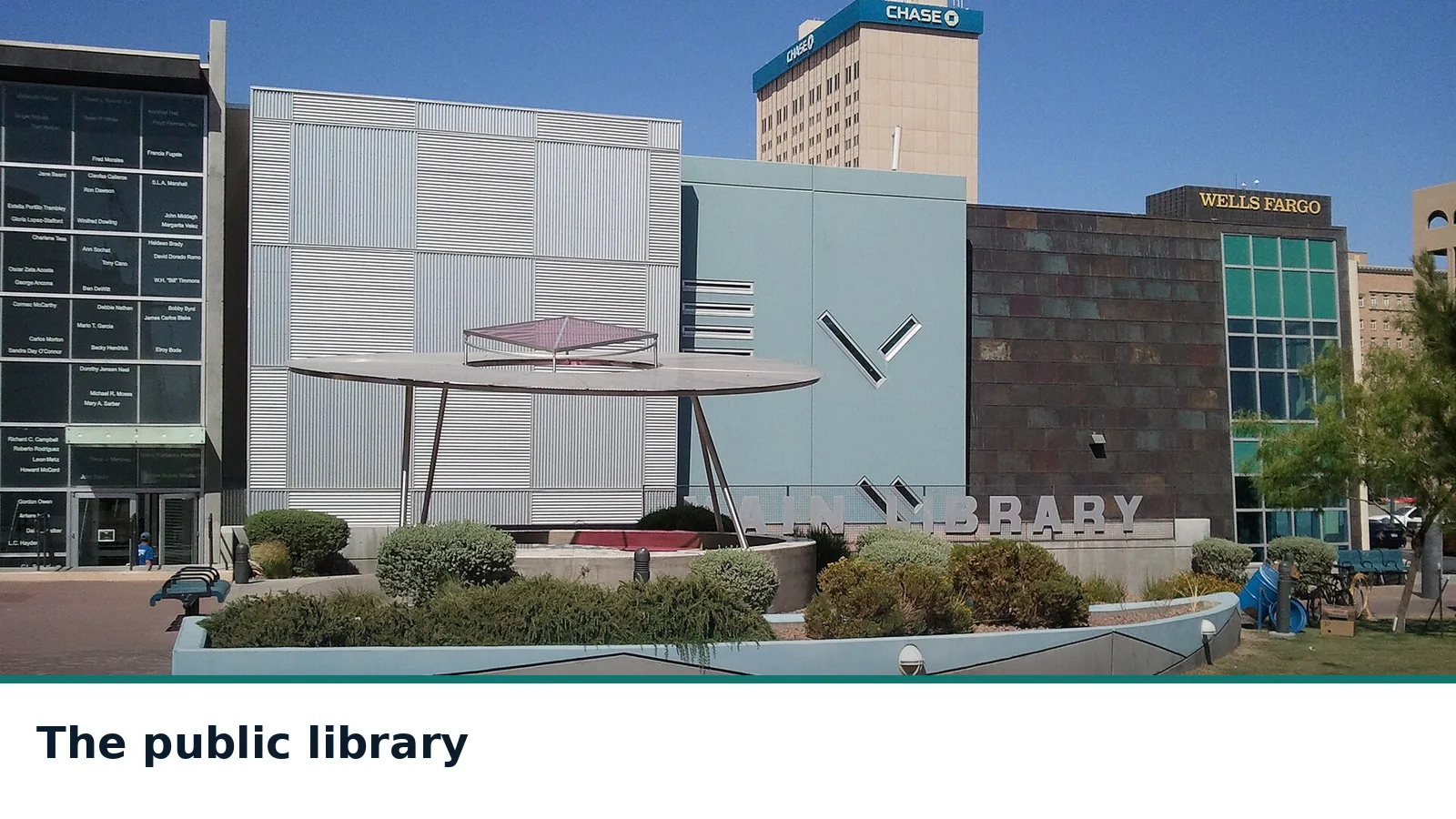
A short week, two dates
Read this part
Monday the invoice goes out in pesos. Thursday the deposit lands in dollars. Nothing about that week is rare. What is rare is a set of books that keeps the two days distinct. Most files collapse them. The invoice is rewritten in dollars on Monday, using a rate that felt current, and on Thursday the deposit is forced to agree. The three days disappear. With them disappears the only evidence that the rate moved, or that the bank kept a fee, or that the customer paid short.
We keep the days. Monday is the invoice, still in pesos, still open. Thursday is the cash, in dollars, with a bridge line back to Monday. If the rate moved, the line says so. If the customer paid the whole invoice, the line says that too. The open item closes because it was paid, not because a conversion made it look paid. Those are different events, and a later reader deserves to see both.
Three days is also long enough for a weekend to sit in the middle. A Friday invoice and a Monday deposit looks like three days and feels like one decision. The bank does not care about the feeling. If the month ends on Saturday, Friday's invoice and Monday's cash are in different months. We will not pull Monday back into Friday to make a report look whole. The report can mention the open invoice. That is what open invoices are for.
What we write on each day
Read this part
On the invoice day we record the customer, the pesos, the tax if any, and the terms. We do not record a dollar amount yet, except as a note of the rate that day if a contract requires the memory. A note is not a conversion. It is a scrap of context. The accounts stay in the money they are actually in.
On the deposit day we record the dollars that landed, the fee, and the bridge. The bridge names the invoice. If more than one invoice is being paid, the bridge names each, because a single deposit that covers three invoices is three stories and one bank line. Lumping them is how a short pay gets assigned to the wrong customer. We would rather spend ten minutes splitting a deposit than spend a year explaining a balance.
Between the days, nothing needs to be invented. The invoice can sit open. Open is allowed. The anxiety comes from wanting every screen to look finished every night. A finished screen with a false conversion is worse than an open invoice. We will say that as many times as a file needs to hear it. The month is the unit. The night is not.
A library afternoon
Read this part
Every Texan knows a public library where a Saturday can disappear. The downtown library has that quiet. Shelves only work if a stranger can find the book without the person who shelved it standing there. We want a three day bridge to have that same quality. The sentence on it should be findable. The invoice number, the two dates, the two amounts, the fee. A stranger on a video call in November should be able to pull Thursday's deposit and land on Monday's invoice without calling the person who was in the room.
We do not need the building to make the point, and we are not claiming a Saturday there. The standard is the standard. If the bridge only makes sense inside one head, it is a bookmark someone else cannot see. We rewrite it until it can be read cold.
When three days becomes three months
Read this part
The same habit scales, and it scales badly if you skip it. A deposit in April that pays a January invoice is not a reason to reopen January in secret. It is a reason to show January's invoice clearing in April, against an open item that has been honest the whole time. If January was closed without the open item, April becomes a correction. Corrections are allowed. They should look like corrections. A quiet edit of January, months later, is how a return and the books stop being the same story.
We would rather carry an open invoice for ninety days than close it fictionally on day three. Carrying it makes the balance sheet slightly less flattering. It also makes the balance sheet true. Lenders who want a flattering month more than a true one are asking for a different product, and that product is not what we prepare. Outsider reports that need a signature are left to others, and the disclosures page is where that edge is written. A true open item is something we will sign our name to, in the ordinary way of a close.
If the customer is never going to pay, the three days end in a decision, not in a conversion. Write it off in the month you decide, with a reason. Do not convert it into dollars first so the write off looks smaller or larger depending on a rate you picked for comfort. Comfort is not a measurement.
The close after a week like that
Read this part
At the end of the month we list every invoice that is still open and every deposit that still has no invoice. The list should be short. If it is long, the month is telling you that the bridge habit slipped. We do not hide the list in a schedule nobody opens. It is part of the note. You should be able to see, in one screen, what Monday is still waiting and what Thursday never found a home.
Then we match the banks. Pesos to the peso statement. Dollars to the dollar statement. The bridge lines are the only place the two stories touch. If they touch anywhere else, something was converted too early and we undo it. Undoing is cheaper in the same month than in the following year. This is the whole argument for doing the three days correctly the first time.
Send the two dates

You will be talking to the Steven Palmieri practice.